Commercial Real Estate is growing really fast in India and in the retail space, choosing the right kind of property goes way beyond just square footage and rent. For brands, startups, showrooms and pop‑ups, and every business you can think of, the space you select becomes an important aspect of your business’s identity.
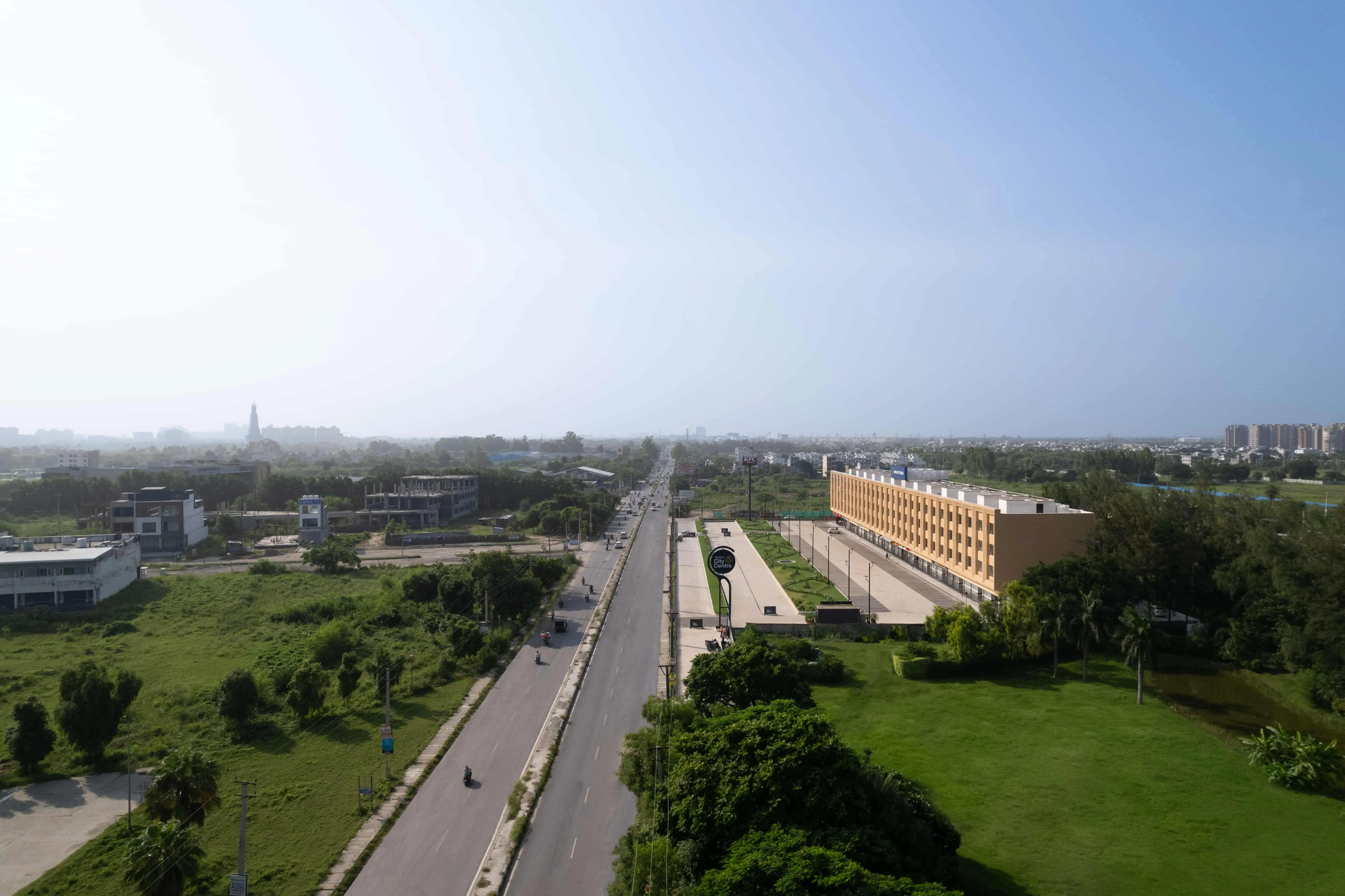
At Monga City Centre, the space for lease and up for sale in Mohali, where you can explore how you can create an ideal retail workspace. There is the right kind of balance between visibility, footfall, and other aspects. Using real‑world opportunities.
Commercial property footfall is the number of people passing through a specific area, typically a shopping centre or commercial building, during a given time period. Footfall serves as a direct indicator to measure how many customers are physically visiting your business location.
In business contexts, it's often used as an alternative to "foot traffic," though both terms mean the same concept of measuring visitor count.
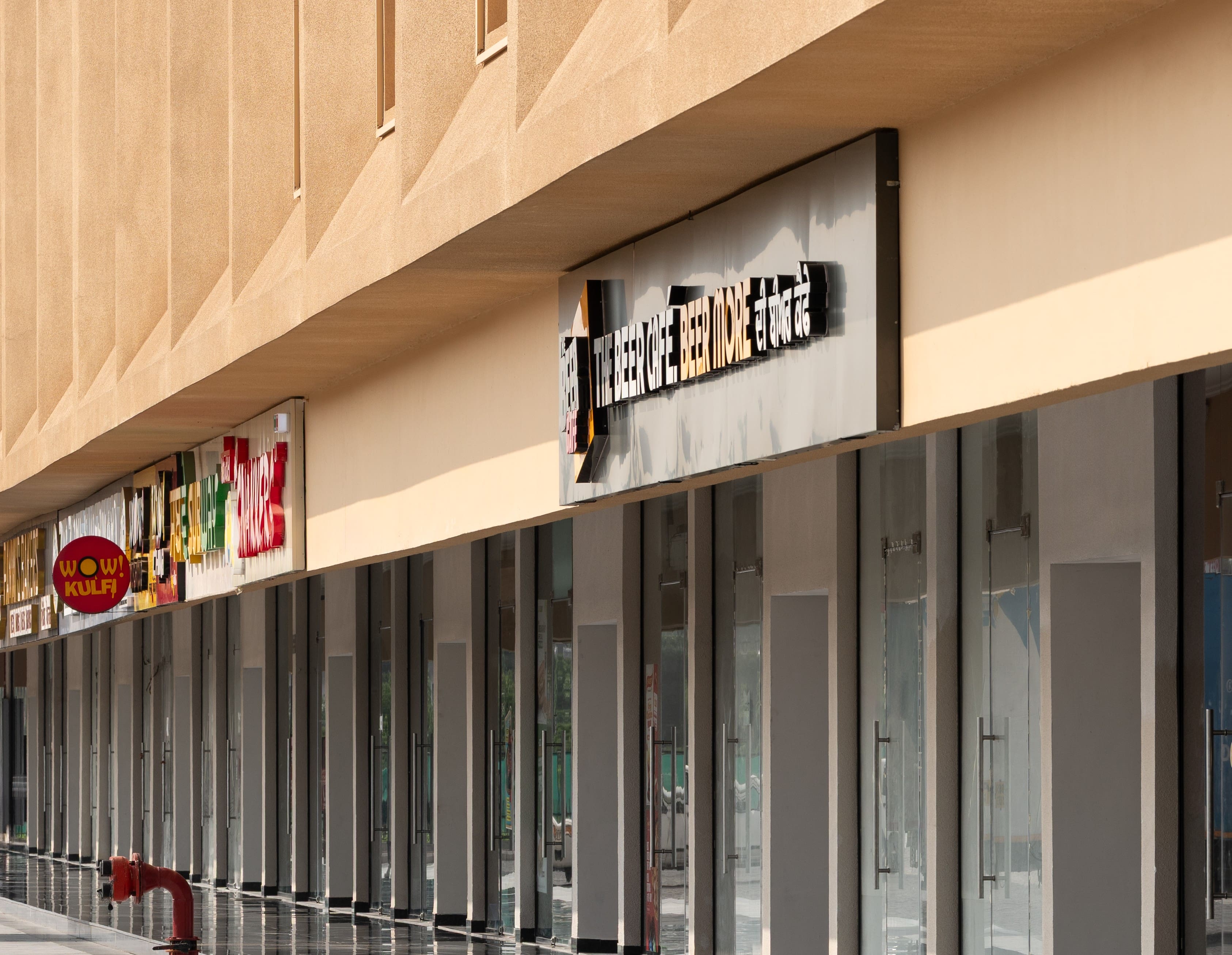
Visibility, on the other hand, refers to how easy it is to spot your brand, or its signage, to passing by potential customers. Over time, at certain locations, no retail outlet survives beyond 3–6 months. Even well-known brands shut down after opening there. It is because of low to zero visibility. They get tucked between two buildings, so you miss the name board even if you’re walking or driving past.
It is no secret that businesses operating in high-footfall areas achieve significantly higher profitability than those in more isolated or lower-visibility zones by enhancing the quality of the customer experience.
Why Square Footage Alone Is a Misleading Metric?
Beyond square footage or interior, the value of a retail space lies in its ability to connect with its customers. As the retail landscape evolves, businesses need to assess what drives long-term success. Consumer needs are ever evolving, and businesses have a chance to explore regions that are yet to be addressed. Certain unexplored areas emerge as high-potential locations due to their strategic connectivity.
Types of Commercial Property Footfall that Matter
Different businesses have different kinds of footfall, and not all footfall is the same. Take a look at the following kinds of footfall.
Intent-based: Customers who come with a purpose to shop or dine, especially for restaurants, bakeries, departmental stores, and more
Passive commercial property footfall: People passing by who may convert later
Repeat commercial property footfall: Loyal customers who return frequently, the kind that F&B chains see.
Retail and F&B businesses benefit most from a mix of these. Locations near offices, entertainment zones, anchor stores, or residential catchments tend to generate stronger and more relevant commercial property footfall. The best example of which would be Monga City Centre.
Repeated exposure to your brand name will build familiarity with customers, which is due to visibility. When customers see your signage daily, even without entering your store, it creates brand recall. Over time, this converts into trust and preference.
Additionally, this can reduce your long-term marketing expenses and boost conversion rates. Serving as passive, around-the-clock advertising, it highlights the importance of signage placement and storefrontage just as much as the interior design.
Busy commercial zones naturally feel safer, more engaging, and more convenient. Customers prefer places where activity is visible and access is easy.
In commercial real estate, square footage does not guarantee success. Visibility and commercial property footfall are the real drivers of revenue, longevity, and brand growth.
Choosing the right location today can mean the difference between struggling for visibility and being effortlessly discovered. When businesses invest in spaces that are seen, accessed, and remembered, they give themselves a powerful head start.
1. Why is visibility important for retail businesses?
Visibility of your business helps customers notice your store easily. High visibility builds brand. It
increases walk-ins, and reduces dependency on paid marketing.
2. What is commercial property footfall?
Commercial property footfall refers to the number of people passing through or visiting a commercial space within a specific time period. Higher footfall usually means more sales opportunities.
3. Is high footfall always good for business?
Not necessarily. Quality matters more than quantity. Relevant, intent-based footfall aligned with your business type leads to better conversions.
4. Why do retail stores fail even in large spaces?
Many stores fail due tw’o poor visibility, incorrect location selection, or irrelevant footfall—even if the space itself is large or well designed.
5. How does Monga City Centre support retail success?
Monga City Centre offers strategically located commercial spaces with strong visibility, diverse footfall, and access to residential, office, and entertainment zones in Mohali.